
background
The early development of the central nervous system is significantly influenced by nutritional factors. Research indicates that breastfeeding is associated with better cognitive development in infants, a difference partly attributed to the unique presence of human milk oligosaccharides (HMOs) in breast milk. Among these, 2’-fucosyllactose (2′-FL) – one of the most abundant HMOs – has been shown to regulate nervous system development through its effects on the gut-brain axis. This study investigates whether dietary supplementation with 2′-FL can enhance learning and memory performance by improving long-term potentiation (LTP) in the hippocampus and increasing synaptic protein expression, thereby providing experimental evidence for the brain function benefits of HMOs.
Research design and methods
The study was conducted on healthy male Sprague-Dawley rats, with two groups receiving either standard diet (control group) or diet supplemented with 2′-FL (2′-FL group, 250 mg/kg/day) for six weeks. During the intervention period, body weight and energy intake were monitored to exclude the interference of nutritional imbalance. Subsequently, spatial learning and memory abilities were assessed using the Morris water maze (MWM) test. Long-term potentiation (LTP) effects in the CA1 region of the hippocampus were evaluated through electrophysiological testing, a key indicator of synaptic plasticity that represents the biological basis of brain learning and memory. Additionally, immunoblotting was employed to detect the expression levels of synaptic plasticity-related proteins such as synaptophysin and postsynaptic density protein 95 (PSD-95), which are closely associated with synaptic structural stability and neural signal transmission.
Key findings
1. 2′-FL enhances spatial learning ability
In Morris water maze training, rats in the 2′-FL group showed significantly shorter escape latencies from days 3 to 5 compared to the control group, indicating accelerated learning. In spatial memory tests, they crossed the platform more frequently, demonstrating enhanced spatial memory.
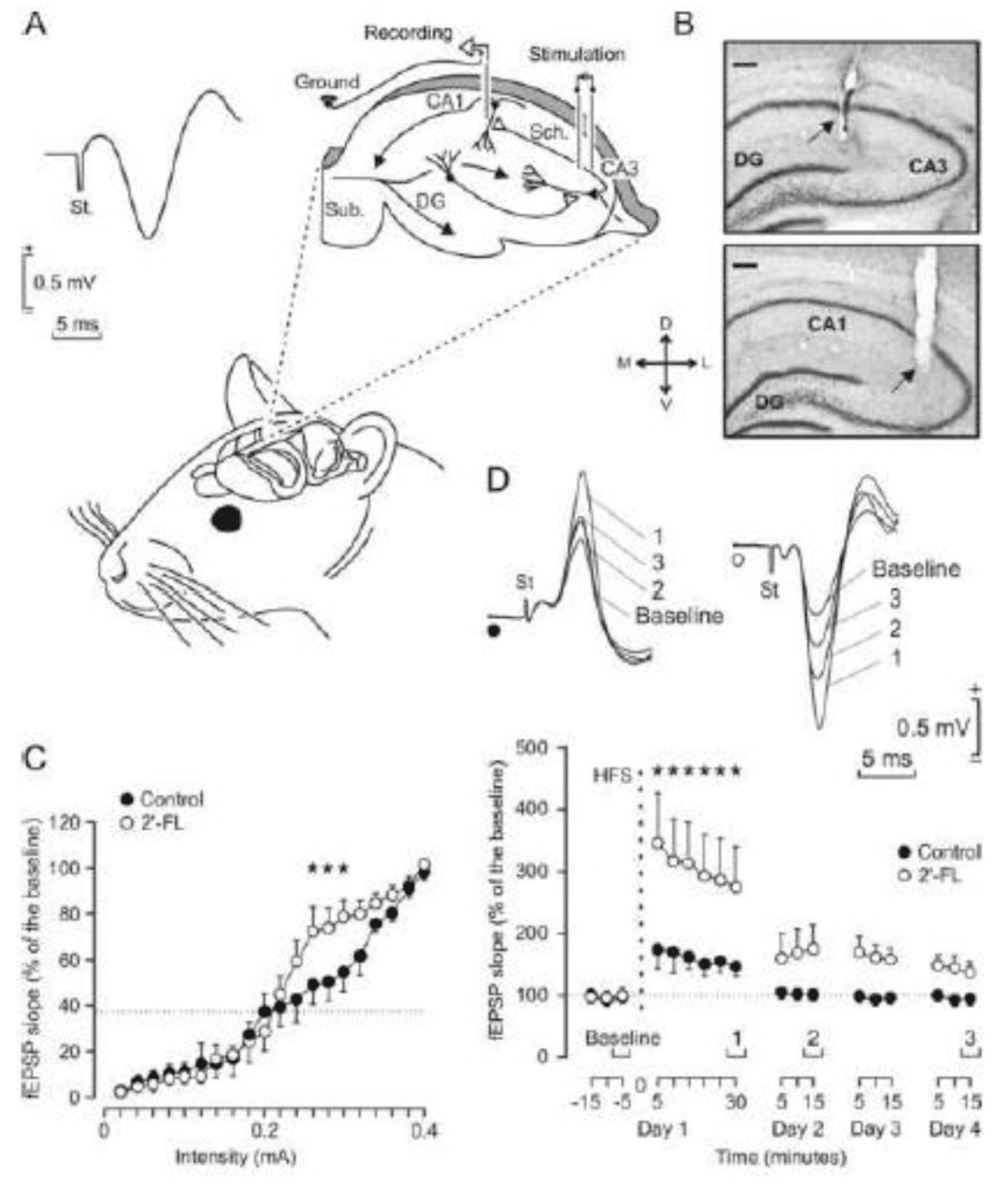
Figure 1: Effects of 2′-FL intervention on escape latency and platform crossing frequency in Morris water maze tests in rats
2. 2′-FL enhances LTP in the hippocampus
Electrophysiological recordings revealed that the fEPSP slope in the CA1 region of the hippocampus in 2′-FL-treated rats significantly increased after high-frequency stimulation (HFS), indicating that 2′-FL enhances the formation of long-term potentiation (LTP) in the hippocampus. LTP, a process where synaptic connections between neurons progressively strengthen, is widely recognized as the neural basis for learning and memory formation. Therefore, the improvement in this indicator by 2′-FL suggests its potential to enhance cognitive performance.
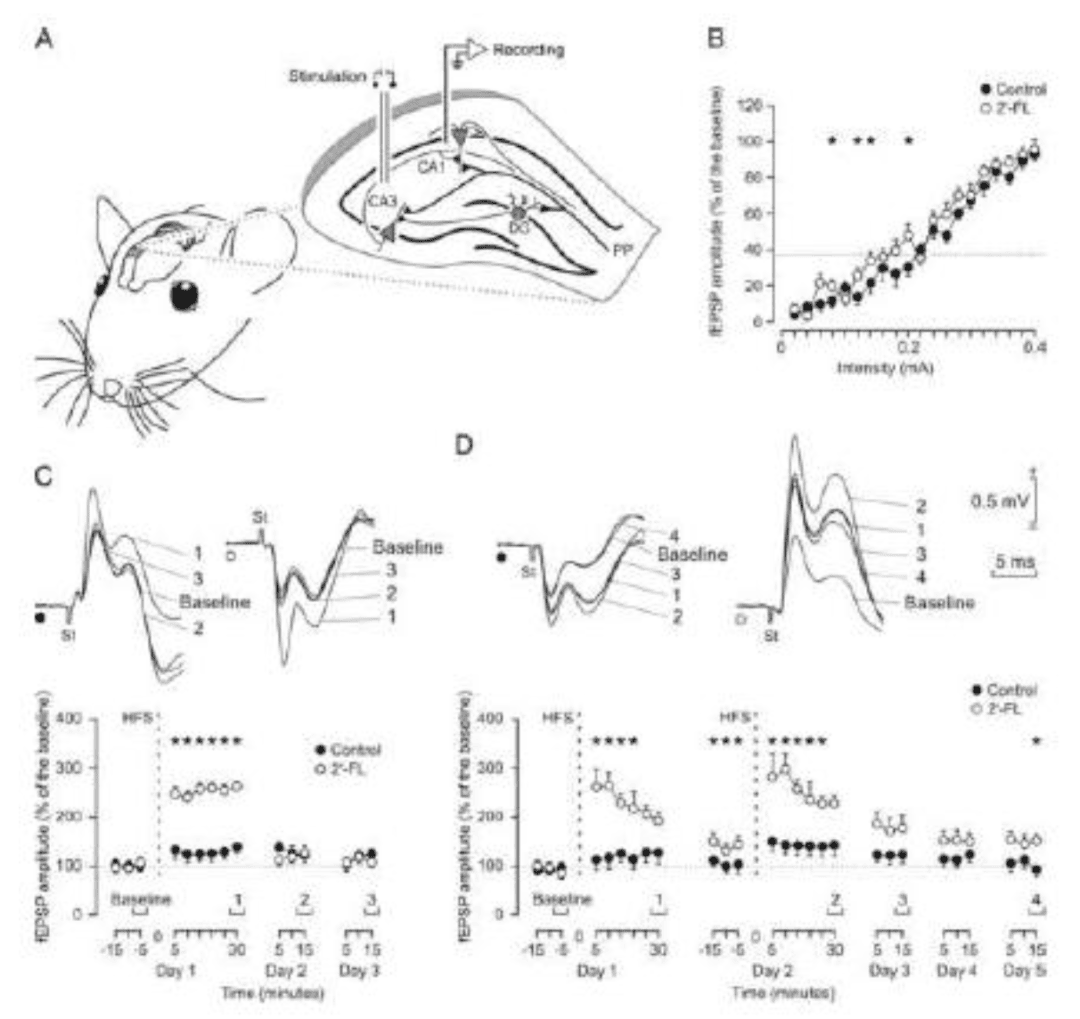
Figure 2: Changes in fEPSP slope in CA1 hippocampus of rats after 2′-FL treatment
3. 2′-FL upregulates the expression of synapse-associated proteins
Compared with the control group, both synaptophysin and PSD-95 expression levels were significantly upregulated in the hippocampal tissue of 2′-FL-treated rats. Synaptophysin, a vesicle protein located in the presynaptic membrane, facilitates neurotransmitter release, while PSD-95 serves as a scaffold protein in postsynaptic structures, crucial for maintaining synaptic integrity and ensuring efficient signal transmission. These upregulations further demonstrate that 2′-FL enhances synaptic function, thereby supporting the neural mechanisms underlying learning and memory processes.
Figure 3: Evaluation of 2′-FLs regulatory effects on Synaptophysin and PSD-95 expression levels by immunoblotting
Discussion and outlook
This study reveals the direct cognitive-enhancing effects of 2′-FL through brain mechanisms. By boosting neuroplasticity and synaptic protein expression in the hippocampus, it significantly improves spatial learning and memory in rats, further supporting the positive impact of HMO on brain development. These findings provide a solid scientific basis for 2′-FLs functional role in infant nutrition supplementation. Future clinical research during critical brain development periods could facilitate the practical application of HMO in childrens brain health products.
References
[1] Vázquez, Enrique, et al. "Effects of a human milk oligosaccharide, 2′-fucosyllactose, on hippocampal long-term potentiation and learning capabilities in rodents." The Journal of nutritional biochemistry 26.5 (2015): 455-465.