Background
2′-Fucosyllactose (2′-FL) is one of the most abundant components among human milk oligosaccharides (HMOs), attracting significant attention for its crucial role in infant immune system development and infection resistance. 2′-FL not only prevents pathogens from binding to intestinal epithelial cells but also exhibits potential protective effects against infections by enteric pathogens such as rotavirus. Rotavirus is a primary pathogen causing acute gastroenteritis in infants and young children, responsible for over 200,000 infant deaths globally each year. Although vaccine use has reduced infection rates, rotavirus remains a significant cause of infant morbidity and mortality worldwide. This paper explores the inhibitory effect of 2′-FL on rotavirus infection and its potential clinical applications.
Research Design and Methods
This study analysed the effects of 2′-FL on rotavirus infection through in vitro experiments. MA104 African green monkey kidney epithelial cells were employed as the infection model, inoculated with two globally prevalent rotavirus strains: G1P[8] and G2P[4]. Fluorescence-based assays assessed the effects of varying 2′-FL concentrations on viral infection and replication. Experimental protocols were designed to evaluate whether 2′-FL retained inhibitory activity following viral adsorption.
Key Findings
1. 2′-FL significantly reduces the infectivity of rotavirus G1P[8]
Experimental results demonstrate that 2′-FL treatment markedly diminishes the infectivity of rotavirus G1P[8]. This indicates that 2′-FL competes with cell surface receptors, thereby preventing viral adhesion and reducing opportunities for infection.
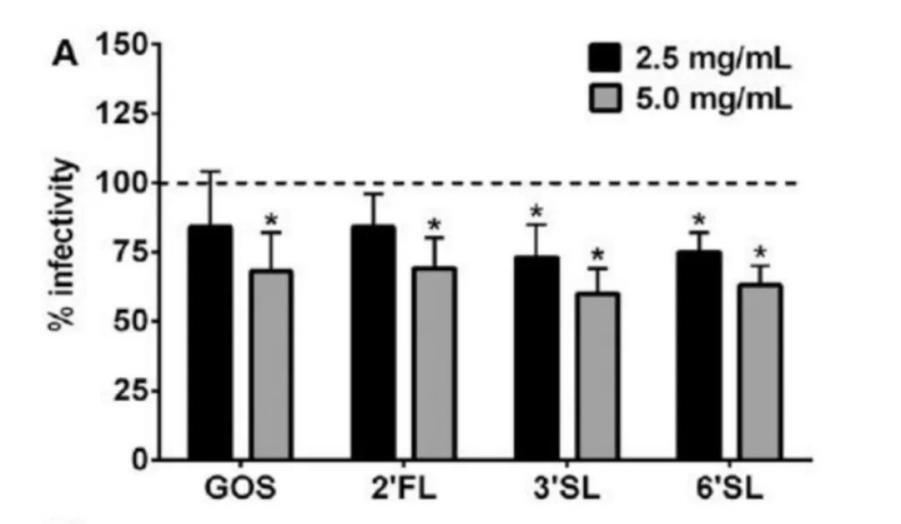
Figure 1: 2′-FL reduces the infectivity of rotavirus G1P[8] in MA104 cells
2. Inhibitory Effect of 2′-FL on Rotavirus G2P[4] Infection
Although infection mechanisms may vary across different viral strains, 2′-FL still exhibits inhibitory effects against G2P[4] infection. At concentrations of 2.5 mg/mL and 5 mg/mL, 2′-FL effectively reduced the infectivity of G2P[4], demonstrating its broad-spectrum activity against multiple rotavirus strains.
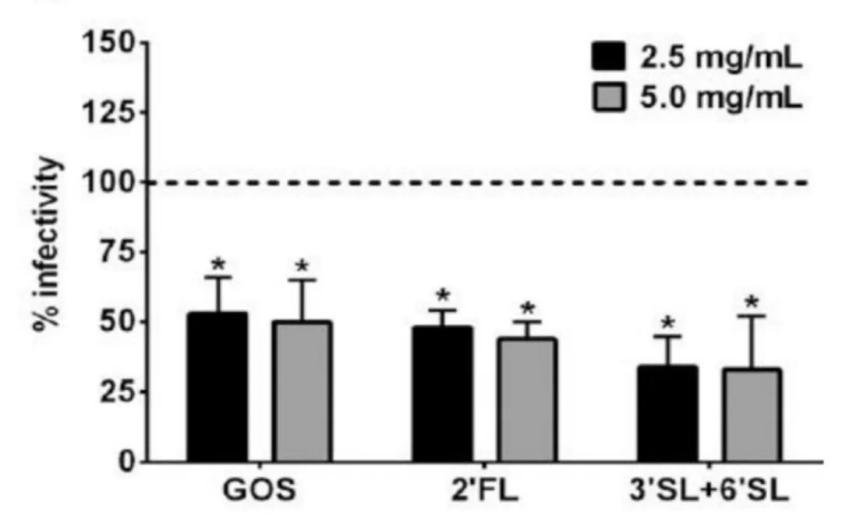
Figure 2: 2′-FL reduces the infectivity of rotavirus G2P[4]
3. 2′-FL retains its inhibitory effect on infection following viral uptake
In experiments where 2′-FL was added after viral adsorption, it was found to significantly reduce the infectivity of GIP[8], with a maximum reduction of 62%. This indicates that 2′-FL not only prevents viral entrycells but may also further diminish infection by interfering with the virus's replication process within the cell.
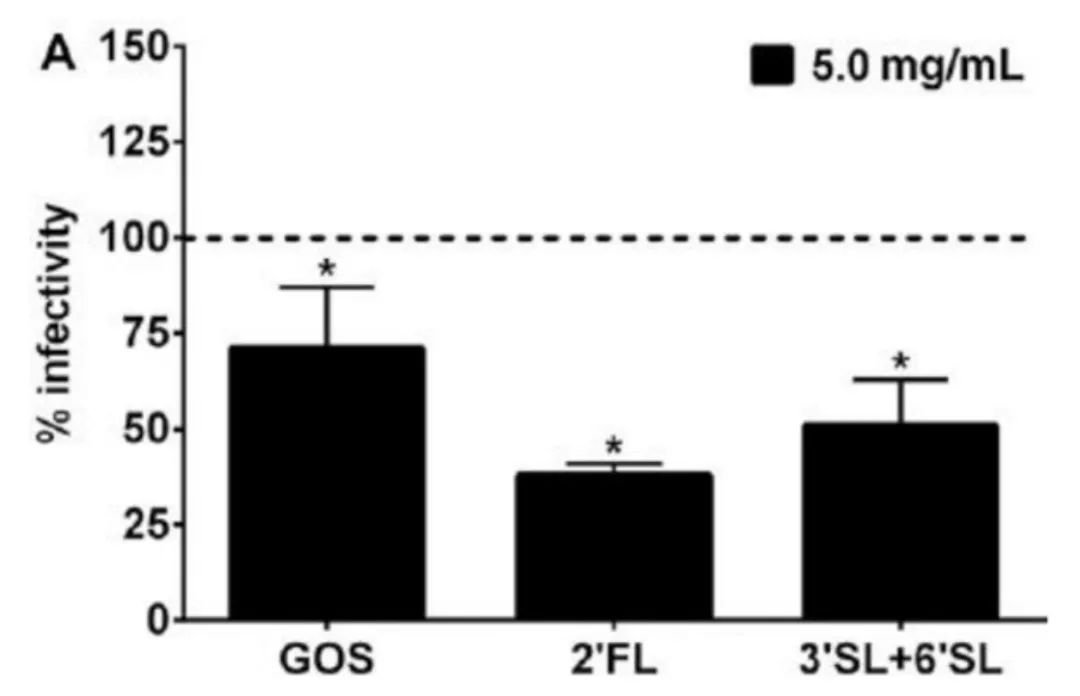
Figure 2: Addition of 2′-FL following viral uptake reduces the infectivity of human rotavirus strain G1P[8] in MA104 cells.
Discussion and Outlook
This study confirms the efficacy of 2′-FL in inhibiting rotavirus infection, demonstrating particular effectiveness in reducing viral infectivity and lowering viral load. Through its decoy receptor action, 2′-FL effectively prevents viral binding to host cells, thereby reducing opportunities for rotavirus infection. Furthermore, 2′-FL not only acts prior to viral entrycells but also exhibits the capacity to inhibit viral replication following adsorption. The inhibitory effect of 2′-FL was observed across various rotavirus strains, further indicating its broad application prospects as a crucial component in infant health protection. It serves not only as a key element in the development of the infant immune system but also holds promise as an important tool in antiviral therapy. Future research may further explore the antiviral mechanisms of 2′-FL in vivo and validate its potential for application in clinical settings.
Reference
[1] Laucirica D R, Triantis V, Schoemaker R, et al. Milk oligosaccharides inhibit human rotavirus infectivity in MA104 cells[J]. The Journal of Nutrition, 2017, 147(9): 1709-1714.