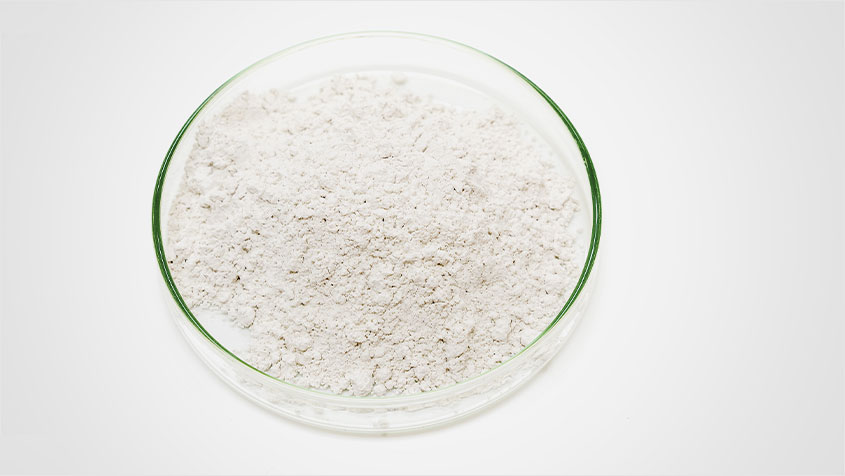
Human milk oligosaccharides (HMOs) are the third largest solid component in breast milk and the largest active nutrient. Currently, more than 200 HMOs have been identified. Since oligosaccharides chains can be fucosylated or sialylated, they are usually divided into three categories:
1. Rousseaux, A., et al. (2021). Human Milk Oligosaccharides: Their Effects on the Host and Their Potential as Therapeutic Agents. Frontiers in Immunology, 12, Article 801911.
2. Lacto-N-neotetraose. PubChem; National Center for Biotechnology Information. https://pubchem.ncbi.nlm.nih.gov/compound/121853 (accessed 2025-09-01).
3. Kobata, A. (2010). Structures and application of oligosaccharides in human milk. Proceedings of the Japan Academy, Series B, 86(7), 731–747.
4. Thurl, S., et al. (2017). Variation of human milk oligosaccharides in relation to milk groups and lactational periods. British Journal of Nutrition, 104(9), 1261–1271.
5. Elison, E., et al. (2016). Oral supplementation of healthy adults with 2′-O-fucosyllactose and lacto-N-neotetraose is well tolerated and shifts the intestinal microbiota. The American Journal of Clinical Nutrition, 104(3), 1001–1009.
6. *The certification results are sourced from third-party organizations, including the《2025 Certificate of Conformity Verification》and the《2023 2'-FL Chemical Structural Equivalence Experiment》; the analytical data is sourced from the GRAS application data submitted by various companies.